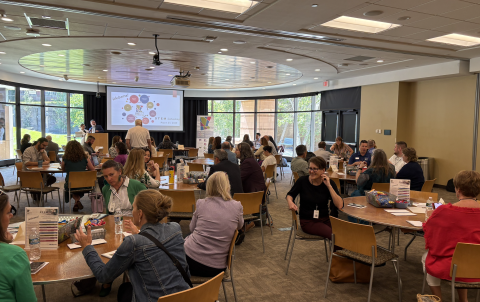
On August 27, 2025, the Minnesota (MN) STEM Ecosystem held its annual convening at the Wilder in Saint Paul, Minnesota. It was an afternoon of collaborations and partnerships in STEM learning and workforce development, bringing together industry, K-12 education, higher education, and out-of-school STEM practitioners. For this convening, Emily Saed, Director of the MN STEM Ecosystem, adapted two of the NISE Network’s newest professional development resources and created a unique learning experience that prompted thoughtful reflection among participants.

The MN STEM Ecosystem is a statewide STEM Network. It was created through a cross-sector, cross-system collaboration of business, education, government, afterschool programs, museums, non-profit and community organizations, and policy leaders. Its mission is to close the STEM learning and workforce opportunity gap through a cross-sector collaboration that creates access and opportunity for all of Minnesota’s learners. The MN STEM Ecosystem aligns formal and informal STEM education with workforce needs, expands access to high-quality programming, and drives innovation and workforce development through regional and statewide collaboration.
The annual convening included roundtable discussions, engaging group activities, a recap of the legislative session and an opportunity to ask questions about upcoming opportunities through the MN STEM Ecosystem. Earlier this year, the MN STEM Ecosystem was awarded $1.5 million in workforce development funding from the Minnesota State Legislature as part of the Workforce, Labor, and Economic Development Omnibus Bill. This investment will expand access to high-quality STEM learning opportunities and career pathways across Minnesota — helping to align education with industry needs and prepare the next generation of innovators, engineers, and technology leaders. “Thanks to the support of industry leaders, education partners, and STEM learning providers, we are building a statewide movement that ensures every Minnesota student has the opportunity to explore STEM pathways and contribute to the state’s innovation economy.” says Director Emily Saed about the award.
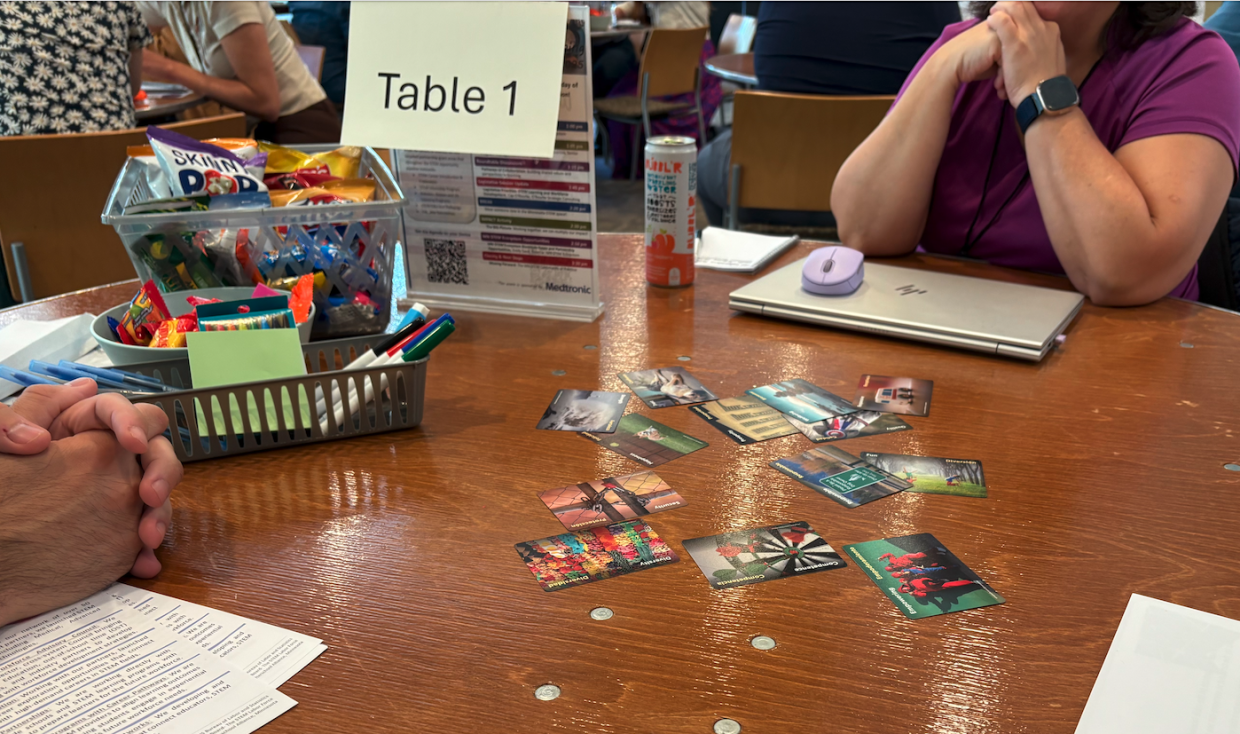
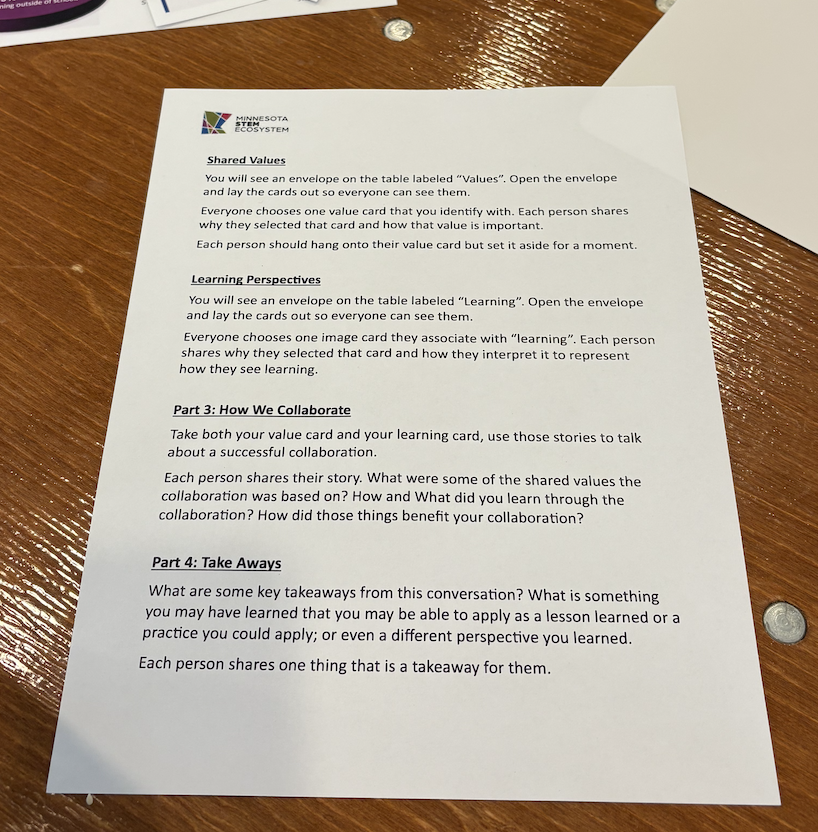
One particular table discussion at the convening was a unique pairing of both the NISE Network’s new What Values Do You Share? conversation starter cards and What Is Learning? conversation starter cards to create a four part activity where groups discussed:
- Shared Values
- Learning Perspectives
- How We Collaborate
- Take Aways
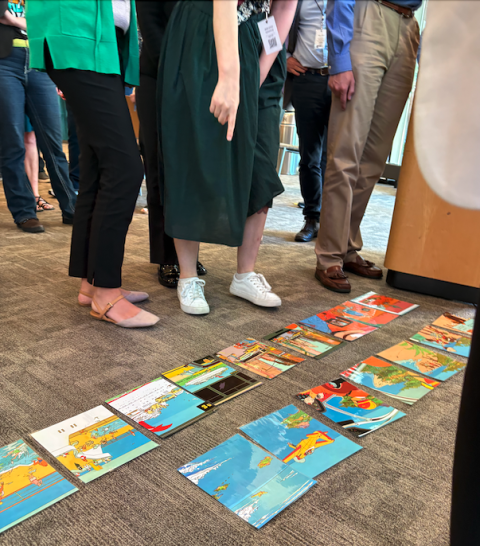
Each table had two envelopes: one labeled “Values,” containing a selection of cards from the What Values Do You Share? deck, and one labeled “Learning,” which contained a selection of cards from the What Is Learning deck. In this exercise, participants first opened the “Values” envelope and spread these cards across the table. Each person selected one card and shared why they chose this card and how that value is important to them. Participants held onto this card for the second part of the activity, Learning Perspectives, where the “Learning” envelope cards were spread across the table. Again, participants selected a card and then shared how they interpreted it and how it represents learning to them. Then, for discussing How We Collaborate, participants were instructed to take both of their cards and use them to talk about a successful collaboration. Each person shared their story, discussing points such as what values the collaboration was based on, how did this benefit the collaboration, and how and what was learned through this work. Finally, groups talked about at least one thing they would Take Away from these conversations, touching on key points made, lessons learned, and any different perspectives gained.
The convening more than accomplished its goals in building collaborations, sharing insights, and enhancing engagement within STEM learning programs across Minnesota. The adaptation combining both NISE Network card decks is yet another great way to modify these resources to fit local audiences’ needs. Thank you to the MN STEM Ecosystem for incorporating our resources into their successful convening and sharing this unique adaption with other partners!
To learn more about the work of the MN STEM Ecosystem: https://stemmn.org/