The NISE Network's projects have been supported by a variety of funders.
Without their vital support these efforts would not be possible.
We sincerely thank our funders for their generous support.
Project Funding Acknowledgements

Early Childhood STEAM Partnerships
Years: 2025-2029
Toolkit of professional learning resources and hands-on activities for museums and community-based early childhood programs supporting STEAM (science, technology, engineering, art, and math) learning for children ages 0-5.

Acknowledgements
The Network for Early STEM Learning: Supporting Early Learning with Field-Wide Resources project is made possible in part by the Institute of Museum and Library Services, Grant Number 21MP-258337-OMS-25.
SciAct Connections
Years: 2026
SciAct Connections for All Americans: Leveraging a National Network for NASA SMD Earth and Space Science Engagement and Education (“SciAct Connections”)
Funded by NASA Science Mission Directorate Science Activation program

Acknowledgements
This material is based upon work supported by NASA under cooperative agreement award number 80NSSC26M0011. Any opinions, findings, and conclusions or recommendations expressed in this material are those of the author(s) and do not necessarily reflect the view of the National Aeronautics and Space Administration (NASA).

Co-creating with Communities
Years: 2022-2026
Funded by NASA Science Mission Directorate Science Activation program
Acknowledgements
This material is based upon work supported by NASA under cooperative agreement award number 80NSSC22M0122. Any opinions, findings, and conclusions or recommendations expressed in this material are those of the author(s) and do not necessarily reflect the view of the National Aeronautics and Space Administration (NASA).
Sparking Interest in STEM
Years: 2022-2027
Funded by NASA Teams Engaging Affiliated Museums and Informal Institutions (TEAM II)
Acknowledgements
This material is based upon work supported by NASA under cooperative agreement award number 80NSSC22M0100. Any opinions, findings, and conclusions or recommendations expressed in this material are those of the author(s) and do not necessarily reflect the view of the National Aeronautics and Space Administration (NASA).
Making Waves With Radio
Funded by the National Science Foundation through BSCS Science Learning
Years: 2020-2025

Acknowledgements
This material is based upon work supported by the National Science Foundation under Grant Number DRL 2053160. Any opinions, findings, and conclusions or recommendations expressed in this material are those of the author(s) and do not necessarily reflect the view of the National Science Foundation.
Voyage through the Solar System
Years: 2021-2024
Acknowledgements
This material is based upon work supported by NASA under award number 80NSSC21M0082. Any opinions, findings, and conclusions or recommendations expressed in this material are those of the author(s) and do not necessarily reflect the view of the National Aeronautics and Space Administration (NASA).
Changing Brains
Funded by the Dana Foundation and The Kavli Foundation
Years: 2018-2023
Acknowledgements


This work is supported by the Dana Foundation and The Kavli Foundation. Any opinions, findings, and conclusions or recommendations expressed in this program are those of the authors and do not necessarily reflect the views of the supporting foundations.

STEM Learning Ecosystems
In collaboration with NASA through Arizona State University
Years: 2021-2026
Acknowledgements
This material is based upon work supported by NASA under cooperative agreement award number 80NSSC21M0007. Any opinions, findings, and conclusions or recommendations expressed in this material are those of the author(s) and do not necessarily reflect the view of the National Aeronautics and Space Administration (NASA).
Space and Earth Informal STEM Education (SEISE) project
In collaboration with NASA through Arizona State University (2018-2020) and the Science Museum of Minnesota (2016-2017).
Years: 2016-2022
Products include:
Explore Science: Earth & Space toolkits
Sun, Earth, Universe exhibition
Acknowledgements
This material is based upon work supported by NASA under cooperative agreement award numbers NNX16AC67A and 80NSSC18M0061. Any opinions, findings, and conclusions or recommendations expressed in this material are those of the author(s) and do not necessarily reflect the view of the National Aeronautics and Space Administration (NASA).
Co-Created Public Engagement with Science
Funded by NSF through the Museum of Science.
Years: 2018-2024
Build capacity among museums and other informal science education institutions to develop and implement co-created public engagement with science activities
Products include: Evaluation Reports (2024)

Acknowledgements
This material is based upon work supported by NASA under award number #1811118. Any opinions, findings, and conclusions or recommendations expressed in this material are those of the author(s) and do not necessarily reflect the view of the National Aeronautics and Space Administration (NASA).
Moon Adventure Game

In collaboration with NASA through Arizona Science Center.
Years: 2019-2021
Products include: Moon Adventure Game (2020)
Acknowledgements
This material is based upon work supported by NASA under grant number 80NSSC18K1219. Any opinions, findings, and conclusions or recommendations expressed in this material are those of the author(s) and do not necessarily reflect the view of the National Aeronautics and Space Administration (NASA).
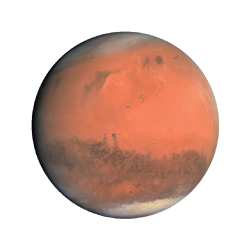
Build a Mars Habitat
In collaboration with NASA through Science Museum of Minnesota.
Years: 2020-2022
Acknowledgements
This material is based upon work supported by NASA under Grant Number 80NSSC20M0030. Any opinions, findings, and conclusions or recommendations expressed in this material are those of the author(s) and do not necessarily reflect the view of the National Aeronautics and Space Administration (NASA).
Sustainability in Science and Technology Museums
Years: 2019-2020, 2016-2017 (Through the Rob and Melani Walton Foundation as part of Arizona State University’s Rob and Melani Walton Sustainability in Science and Technology Museums initiative)
Years: 2020-2023 (Through the Institute of Museum and Library Services)
Products include: Sustainability Fellowship workshops and SustainABLE kit

Acknowledgements
This program is made possible in part by the Institute of Museum and Library Services, Grant Number MG-245910-OMS-20.
This program is a continuation of the Sustainability Fellowship program established through support from the Rob and Melani Walton Foundation as part of Arizona State University’s Rob and Melani Walton Sustainability in Science and Technology Museums initiative.
Citizen Science, Civics, and Resilient Communities (CSCRC)
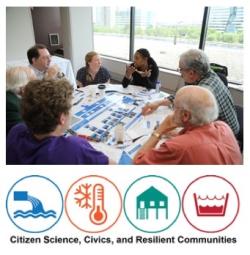
Funded by NOAA through the Museum of Science.
Years: 2020-2021
Products include: Climate Resiliency Discussion Forums

Acknowledgements
This material was prepared using federal funds under award NA18SEC0080008 from NOAA. Any opinions, findings, and conclusions expressed in this material are those of the authors and do not necessarily reflect the views of NOAA or the US Department of Commerce.
ChemAttitudes
Funded by the National Science Foundation through the Museum of Science.
Years: 2016-2021
Products include: Explore Science: Let's Do Chemistry kit
Acknowledgements
This material is based upon work supported by the National Science Foundation under Grant Number DRL 1612482. Any opinions, findings, and conclusions or recommendations expressed in this material are those of the author(s) and do not necessarily reflect the view of the National Science Foundation.
Howtosmile At-Home Activities
Funded by the Institute of Museum and Library Services through the Children's Creativity Museum
Years: 2020-2022
Acknowledgements
This project was made possible in part by the Institute of Museum and Library Services #CAGML-246996-OMLS-20.
Frankenstein200
Funded by the National Science Foundation through Arizona State University.
Increasing Learning and Efficacy about Emerging Technologies through
Transmedia Engagement by the Public in Science-in-Society Activities
Years: 2015-2019
Products include: Frankenstein200 kit
Acknowledgements
This material is based upon work supported by the National Science Foundation under Grant Number DRL-1516684. Any opinions, findings, and conclusions expressed in this material are those of the authors and do not necessarily reflect the views of the National Science Foundation.
Building with Biology
Multi-Site Public Engagement with Synthetic Biology (MSPES)
Funded by the National Science Foundation through the Museum of Science.
Years: 2014-2017
Products include: Building with Biology kit
Acknowledgements
This material is based upon work supported by the National Science Foundation under Grant Number DRL 1421179. Any opinions, findings, and conclusions expressed in this material are those of the authors and do not necessarily reflect the views of the National Science Foundation.
Complex Adaptive Systems as a Model for Network Evaluation (CASNET)
Years: 2012-2016
Case study research project investigating evaluation capacity building in a network using a complexity theory lens
Acknowledgements
This material is based upon work supported by the National Science Foundation under Grant Number DRL 1228868. Any opinions, findings, and conclusions expressed in this material are those of the authors and do not necessarily reflect the views of the National Science Foundation.
Nanoscale Informal Science Education Network
Funded by the National Science Foundation through the Museum of Science.
Years: 2005-2017
Products include: The NISE Network created a wide range of educational and professional development materials including: NanoDays kits, Museum & Community Partnerships project, Explore Science: Zoom into Nano kits, Nano mini-exhibition, whatisnano.org website, professional development, and mini-grants
Acknowledgements
This material is based upon work supported by the National Science Foundation under Award Numbers 0532536 and 0940143.
Any opinions, findings, and conclusions or recommendations expressed in this product are those of the authors and do not necessarily reflect the views of the Foundation.