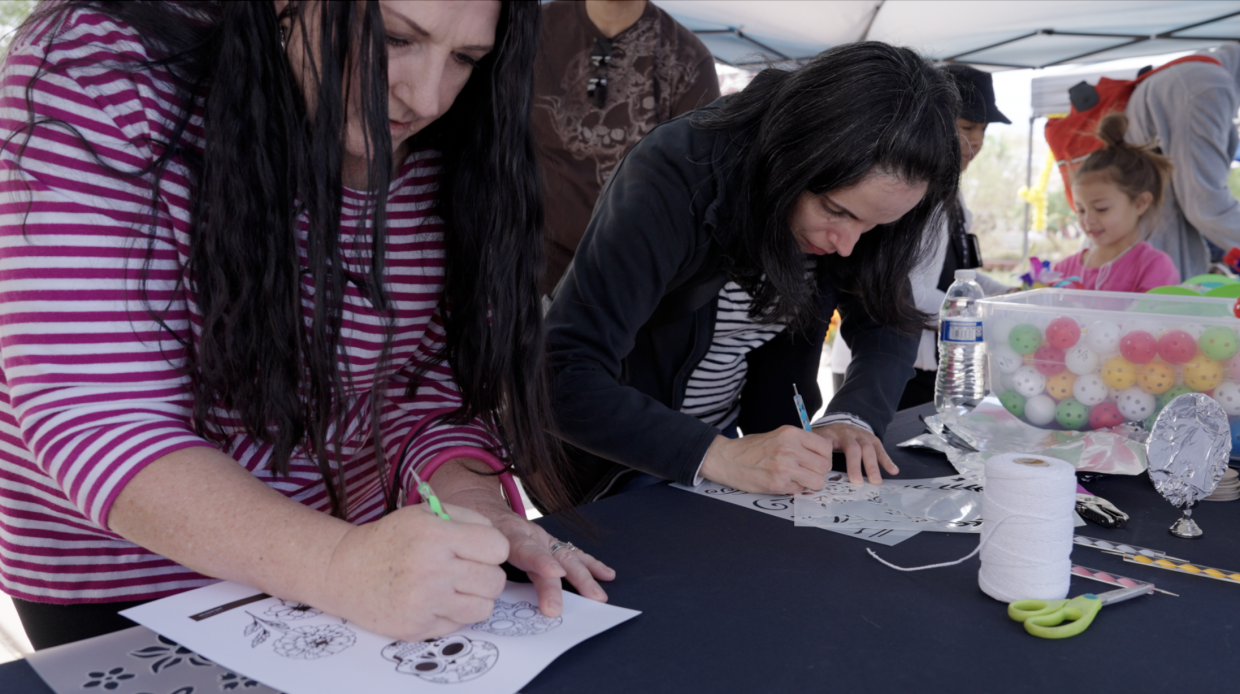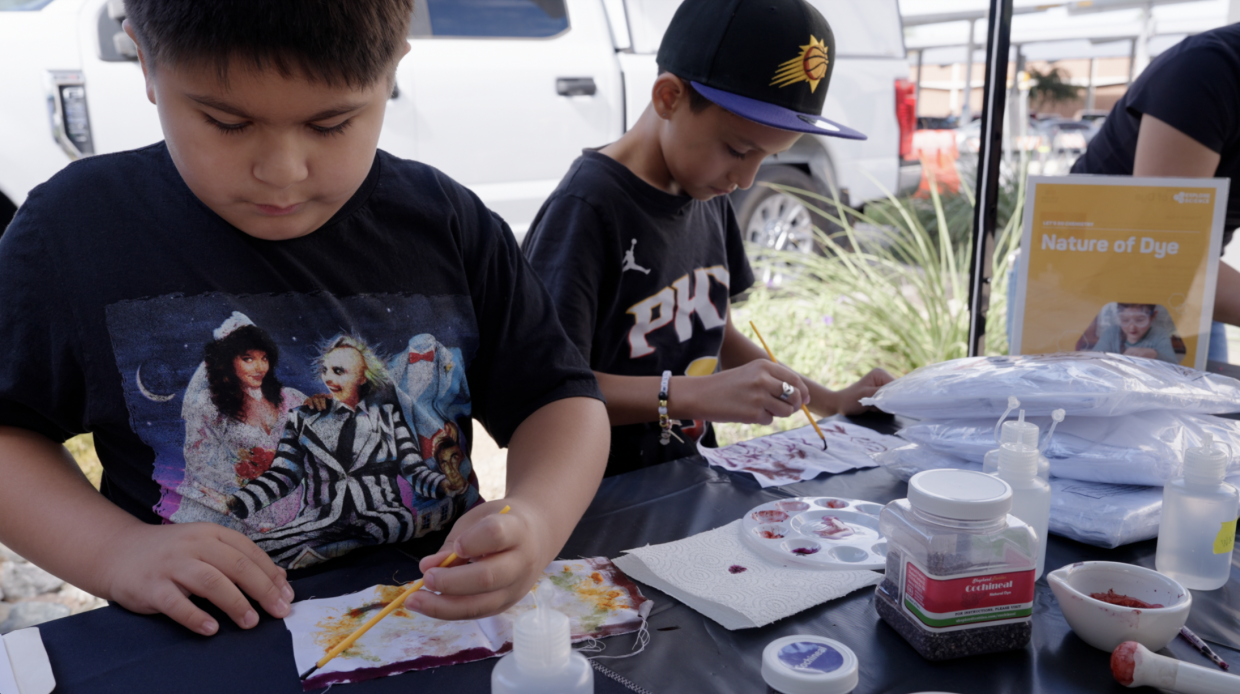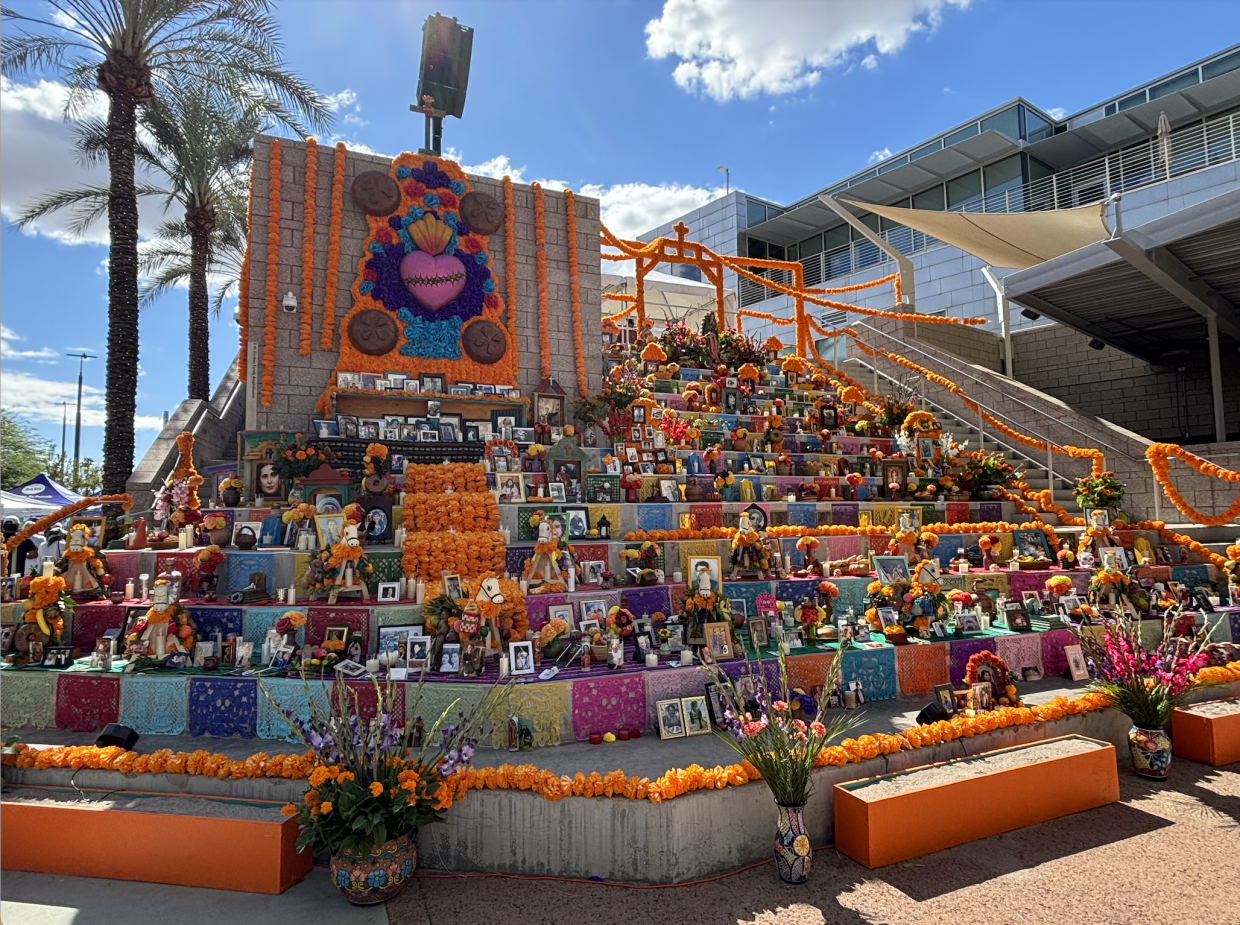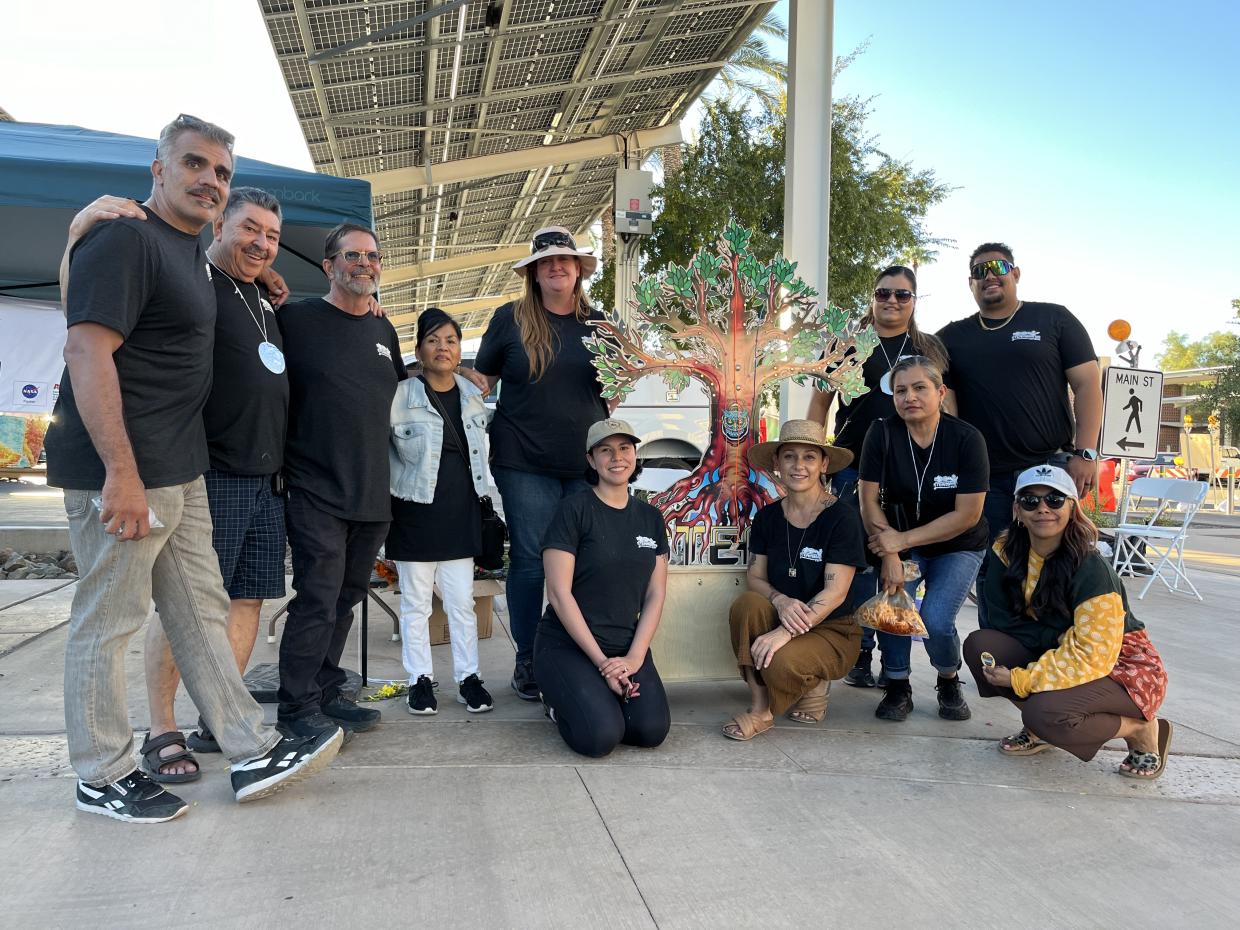
The Mesa Arts Center hosted its 19th annual Día de los Muertos Festival in downtown Mesa, Arizona on October 19-20, 2024. Arizona State University’s Center for Innovation in Informal STEM Learning staff and co-collaborators from the STEAMBrando Futuros team, (part of the Co-creating with Communities project, ran activities at the event. One of the activities was an adaptation of the NISE Network's Voyage through the Solar System: Space Souvenir activity that made connections to traditional Mexican folk art and indigenous Mesoamerican astronomy.
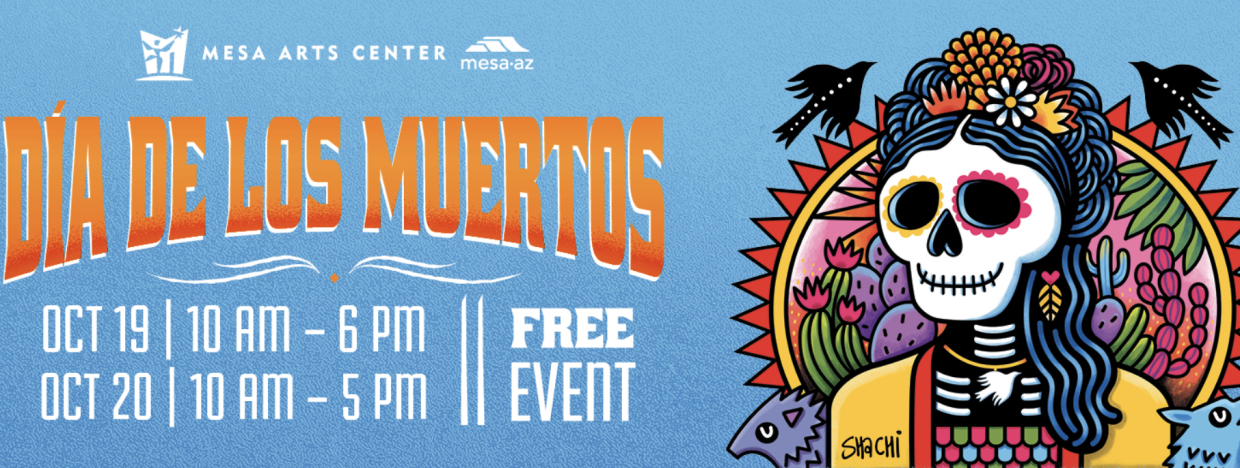
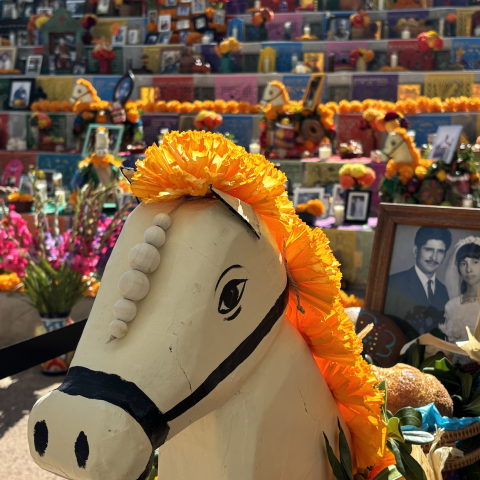
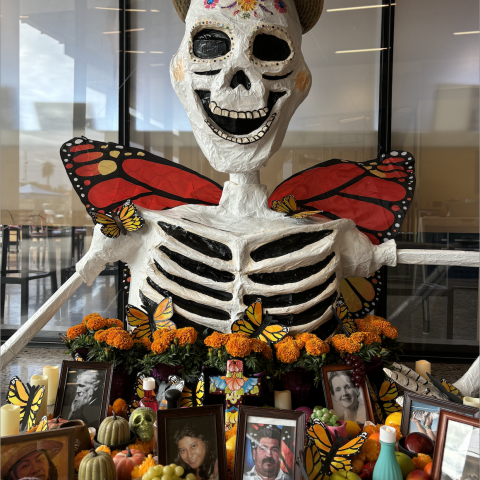
Día de los Muertos (Day of the Dead) is a multi-day celebration in Mexican and other Latin American cultures to remember, honor, and celebrate friends and family who have passed. Mesa Arts Center’s annual free event is a community collaboration that brings more than 30,000 individuals to the streets of downtown Mesa each year for a wide range of activities, performances, art, food, and so much more. To get a taste of festivities, check out Mesa Arts Center’s YouTube channel for footage of the 2020 virtual Día de los Muertos celebration.
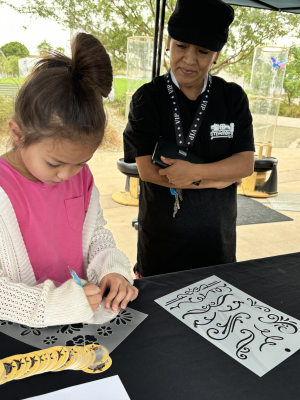
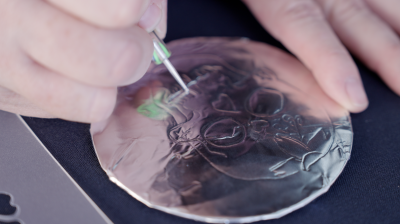
During the 2024 event, ASU staff engaged families using the Voyage through the Solar System kit activity Space Souvenir. In the NISE Network physical kit version of the activity, learners make their own mission medallion based on those created during the Apollo program. Moon mission medallions are unique to each mission, often designed by the crew themselves, and hold great historical importance as they commemorate NASA missions and humankind’s further exploration of space. In ASU's adaptation, the same physical kit supplies are used: foil, cardboard, stylus, etc. However, learners instead explore Hojalata or tin art, a traditional Mexican folk art form that involves shaping tin into decorative and functional objects. The activity is expanded to include cultural connections to indigenous Mesoamerican astronomy, as learners are given examples and asked to choose a design that reflects ancestral knowledge of the skies and/or etch their own drawing into their foil medallion.
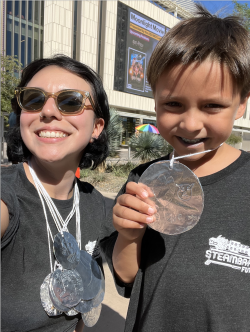
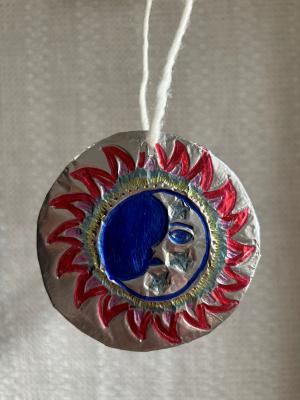
As part of the NISE Network’s Co-creating with Communities work, project team members will be evaluating this version of the activity using the NISE Network's Team-based Inquiry (TBI) process. Once complete, the resources will be translated and made available in both English and Spanish for other NISE Network partners to use in their communities. Resources should include instructions, a facilitator guide, as well as additional handouts and info with example patterns for participants to be inspired by or use for tracing. In addition and different from the original activity, participants will also have the option to color their medallions with Sharpies.
Thank you to the ASU team in Tempe, AZ for contributing to this incredible event and sharing back this culturally relevant adaptation to our community!
Learn more about NISE Network Spanish Language Translations and Bilingual Resources here: https://www.nisenet.org/spanish
Ancestral Astronomy activity
https://www.nisenet.org/ancestralastronomy